


Advanced Solid Fuels
Sustainable &
Powerful:
Sustainable & Powerful:
The Technology of Advanced 3D Printed
Biopolymer Fuels





Harnessing the Power of Molecular Engineering
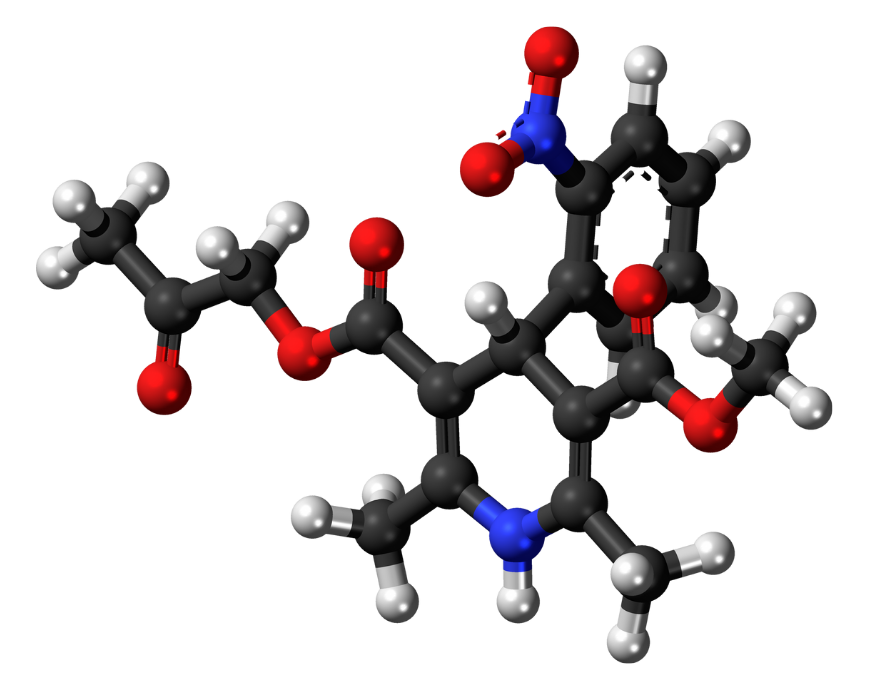
Moving beyond traditional biopolymers, our focus lies on engineered macromolecules with tailored properties designed to overcome current limitations in regression rate, combustion efficiency, and overall energy density.

Precise Control over Polymer Structure
Designing polymers with specific chain lengths, branching patterns, and functional groups to optimize thermophysical properties relevant to combustion. This allows for enhanced energy release and controlled decomposition.

Incorporation of
Energetic Functional Groups
Chemically integrating high-energy functional groups derived from sustainable sources directly into the biopolymer backbone. This increases the fuel’s energy content without relying on potentially hazardous additives.

Crosslinking and Network Formation
Engineering specific crosslinking strategies to create robust solid fuel grains with tailored mechanical properties, ensuring structural integrity under high stress and temperature conditions within the combustion chamber.

Nanoscale Material Integration
Embedding nano-sized energetic materials or catalysts within the biopolymer matrix to enhance combustion rates and improve overall efficiency. This allows for more controlled and complete burning of the fuel.

Enhanced
Regression
Rates
Increased
Energy
Density
Improved
Combustion
Efficiency
Tunable
Combustion
Properties
Tailoring Thrust
How 3D Printing
Customizes Fuel Characteristics
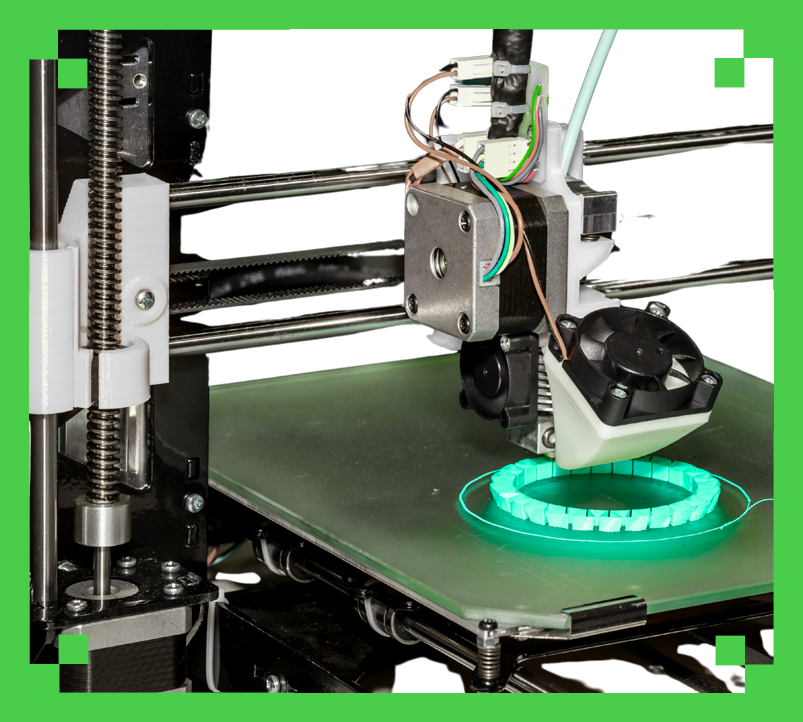
The advent of multi-material 3D printing is revolutionizing the design and fabrication of solid fuel grains for hybrid rocket engines.
This advanced manufacturing technique transcends the limitations of traditional subtractive methods and even single-material additive manufacturing, enabling the creation of intricate and optimized fuel geometries with unprecedented control over material distribution and properties within a single print.
•
Customized Regression Rate Profiles
By strategically incorporating materials with varying burn rates across the fuel grain, engineers can design specific thrust profiles tailored to mission requirements. For instance, a faster-burning core surrounded by a slower-burning outer layer can provide high initial thrust followed by a sustained burn.
•
Enhanced Combustion Stability
Integrating materials with different thermal conductivities or ablation characteristics can help manage heat transfer within the combustion chamber and mitigate potential instabilities.
•
Multi-Zone Fuel Composition
Different sections of the fuel grain can be printed with biopolymers optimized for different stages of the burn or to enhance specific performance parameters. This could involve materials with higher energy density in later-burning sections or materials with improved ignition characteristics at the head-end.
•
Optimized Oxidizer Mixing
Complex internal port geometries, impossible to achieve with traditional methods, can be created to enhance turbulent mixing between the solid fuel vapor and the oxidizer flow, leading to more efficient and complete combustion. This can include helical channels, star- shaped cores with varying fin thicknesses, or even porous structures.